Spine Showcase

Spine is in use all over the world, from multibillion-dollar publishers to small game studios and indie developers. Below you can explore some of the ways Spine is used in mobile and desktop games, interactive storytelling, filmmaking, cartoons, comic books, special effects, and more.

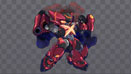
Axe in Face 2 needed a lot of animated characters on the screen, without compromising quality or performance. We also needed the ability to change outfits for our main character with minimum effort. We accomplished all of these goals using Spine and we think that it is an excellent animation tool!Søren Lauge Boll, COO & Creative Producer
Spine is such a dream to use! It has been the perfect tool to bring expressive character animations into Cult of the Lamb. It’s been so great using software that doesn't crash and is well supported. We love Spine!James Pearmain, Art Director
We were able to quickly create movements for 2D characters. When revising the motion, it was helpful that we could make adjustments to bones and change timing in the dopesheet without needing to waste time redrawing, as we do for hand drawn animations.Masayuki Onoue, Director
In Gunner-chan!, we use Spine animation in every aspect, from characters, guns, items, and backgrounds. Spine's smooth and expressive movements give players a tactile feel. It also works smoothly with Unity, making it one of the easiest animation tools to use when developing action games. Kido
2D animation performance is very important in Code: HARDCORE. With Spine, we control animations much more efficiently, allowing us to save time and energy building 3D-like 2D animation. We also use Spine for special effects, animation tests, and even interactive cutscenes. Louiky Mu, CEO, Producer, and Art Director

Want to be part of our showcase? Contact us